Document intake
Nothing has to be sorted first, nothing has to be renamed, and nothing has to be in a particular order. Global Office: Sync takes a photograph, a PDF, a folder of hundreds, or a thing with no document at all, and works out what each one is.
Caught before it is sent
It is checked where you took it, with Retake photo or Use it anyway, rather than a minute later when you have walked away from the counter. Retaking it takes two seconds then and is impossible by the end of the day.
And your photograph is kept on the phone until it actually lands. Bad coverage is not your fault and it is not a reason to lose the only copy of a receipt: it waits with the typed record and both go together when there is a signal.
Nothing is ever filed pointing at a picture that is not there.

So each document type has its own button and its own reader, looking for its own fields. A receipt has line items, tax and shipping. A 1099 has a payer block. A certificate of insurance has several coverages, each with its own limits and its own expiry date. One general purpose reader looking for "the total" would find the total on all of them and miss everything that matters.

Receipt. Money going out, read down to the line: every item, the tax, the shipping, the payment method, and the job it belongs to if you name one.
Income. Invoices and anything that brought money in, with the lines separated into your own work and the materials you bought and passed through.
Utility. Electric, gas, water and internet bills, read for the account number, the charges and the statement period, so a bill that never arrived can be noticed by its absence.
Mileage. Trips and travel logs, each valued at the IRS rate in force on the day it was driven rather than this year's rate.
Tax Docs. W-9s and the 1099 family, read for the payer block, the amounts and the tax identification number, which is stored locked and shown as dots.
Compliance. Certificates of insurance, read for every coverage on the page with its carrier, its policy number, its limits and its own expiry date, and for who the certificate is actually made out to.
Donation. Donation receipts and acknowledgment letters, in Full Edition. Contractor Edition has no donations engine.
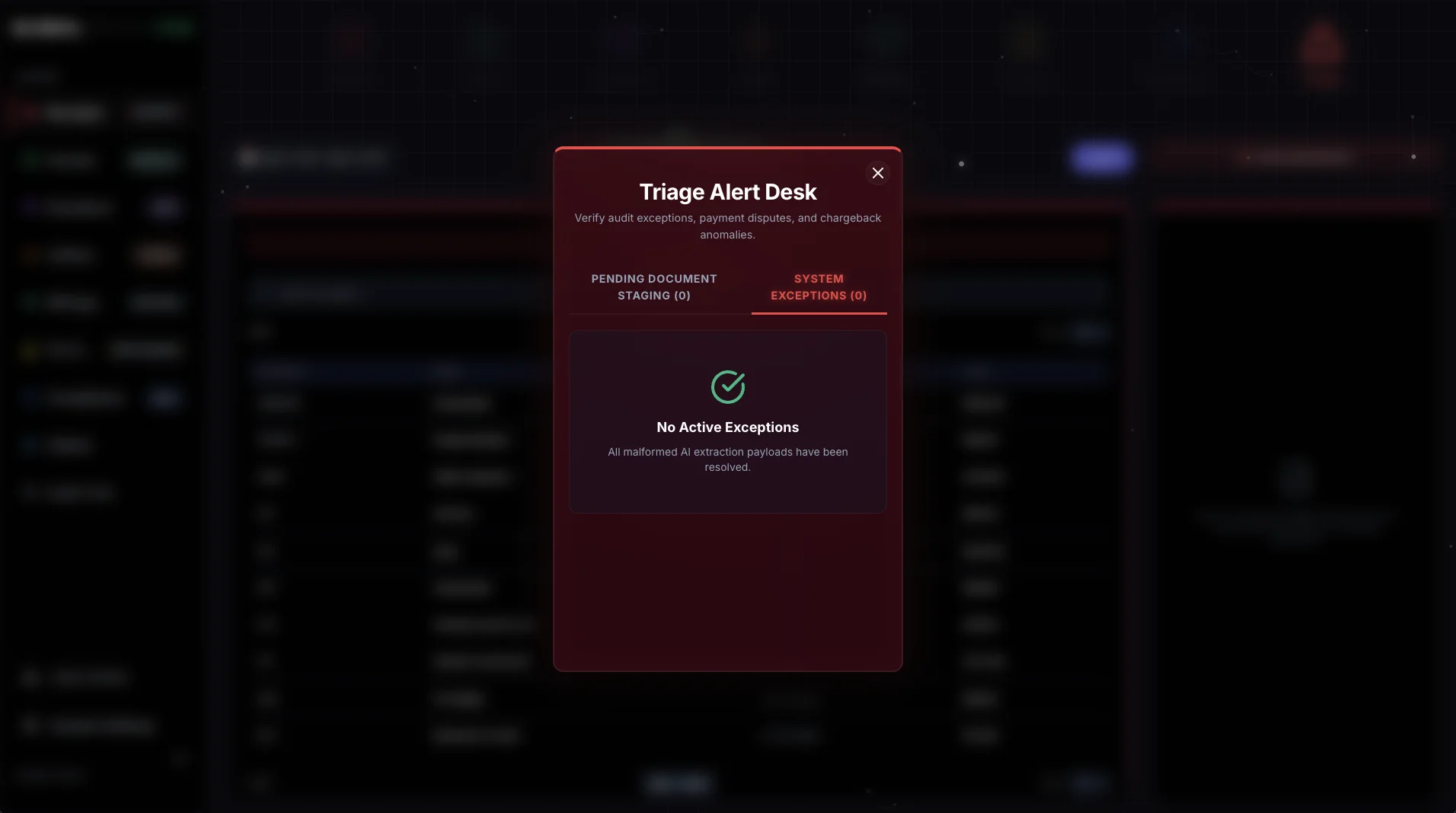
Triage. Not a document type. The desk where anything the reader could not make sense of waits for a person, which is the subject of the last section here.
The same receipt in all four frames: Sweetwater, $363.36, the 30th of August, a TC Electronic 2290 delay pedal, paid by PayPal. Ten to twenty seconds on a normal connection, and the only thing a person does is look at the third frame and say yes.


The review screen is one screen, with the photograph beside the numbers, so checking a figure never means opening something else. Anything that needs a second look says why in words rather than in a color.
It is held, not dropped. Silence is the fault that costs the most, because a record that quietly went nowhere is one you find out about from an auditor rather than from your app.